
Blog
How to Stand Out as a Game Master Online: What Professional GMs Do Differently
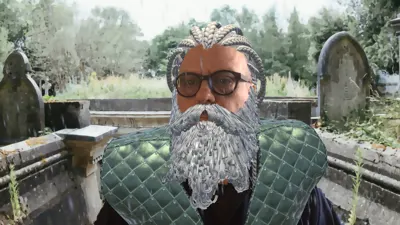
Standing out as an online GM is a stack of differentiators, not a single move. Preparation, vocal range, pacing, and audio quality are the layers most working…
How to Look Like Your Character on Webcam: A TTRPG GM's Options Guide
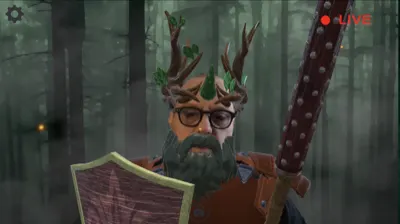
You've spent twenty minutes arranging your virtual background. The castle is behind you. You look like you're standing in front of a poster of a castle. Not…
How to Look Like Your Character on Camera: A Guide for Online TTRPG and Live Performance
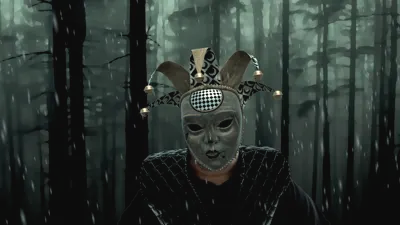
Desktop AR apps built for live performers let you assemble a character look from a library of digital assets: armor, masks, effects, backgrounds. The app…

How to Maintain GM Presence and Authority in Online Sessions
GMs feel less effective online because the tools that communicate authority in person don’t translate to a webcam format: proximity, movement, and physical…
How to Make Your NPCs Visually Distinct in Online D&D Sessions
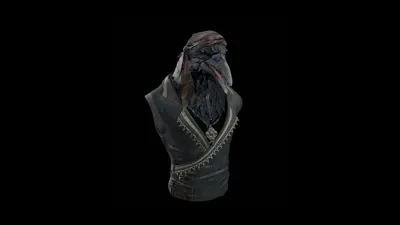
In online D&D sessions, GMs lose the physical and spatial cues that make NPCs distinct from one another. Voice carries less weight through a webcam square…
VTuber-Style Streaming Without Replacing Your Face: What Are the Options?
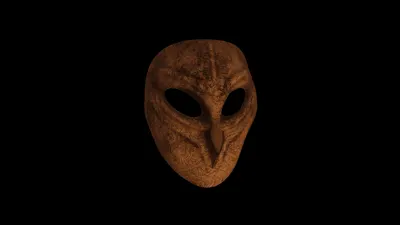
Most guides about visual identity for streaming present two choices: show your bare face on a webcam, or commission a full VTuber avatar. The middle ground…

Staying in Character as a Dungeon Master on Camera
Maintaining character integrity as a Dungeon Master is easier in person, where environmental immersion supports performance. Online, the boundary between game…
How to Perform Multiple NPCs Online Without Breaking Immersion
Portraying multiple NPCs in rapid succession is challenging in person. Online, the difficulty increases because visual cues are limited to a single frame.
Creating Atmosphere in Virtual Tabletop Games
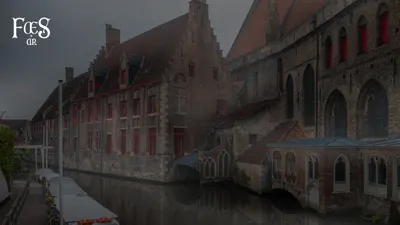
Atmosphere is often attributed to music or descriptive language, but in virtual tabletop games, it emerges from cohesion between multiple elements. Maps…

Visual Storytelling Techniques for Dungeon Masters
Dungeon Masters spend a great deal of time thinking about plot structure, encounter balance, and worldbuilding, yet visual storytelling is often treated as…

How to Make Remote RPG Sessions Feel Less Like Zoom Meetings
Online D&D sessions feel like work meetings because the tools are the same: a video grid, equal squares, no visual hierarchy. In person, the GM's presence…

Turning Your Webcam Into a Storytelling Tool as a GM
Most Game Masters treat their webcam as a passive necessity. It sits on top of a monitor, capturing a neutral expression while the real storytelling happens…

How to Make NPCs More Memorable in Online D&D
Whenever a player recalls a campaign years later, they rarely remember stat blocks. They remember characters. The innkeeper who knew too much. The rival…
Running Atmospheric Online RPG Sessions Without Expensive Gear
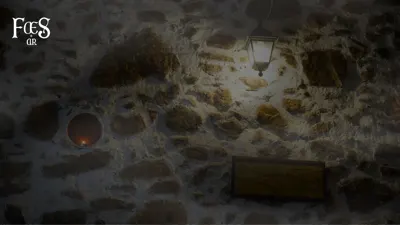
There is a persistent belief that online immersion requires expensive hardware. Multiple monitors. Studio lighting. Professional microphones. While high…
10 Ways Dungeon Masters Can Increase Immersion in Remote Campaigns
Immersion in tabletop roleplaying is often discussed as something abstract. We say a session felt immersive or that a moment broke immersion, but we rarely…

How to Make Your Online D&D Sessions Feel Cinematic
Whenever a Game Master tells me their online sessions feel flat, I rarely hear them complain about rules, balance, or preparation. What they usually mean is…

How to Help Shy Players Roleplay More Comfortably
Shy players are common at Dungeons and Dragons tables, especially in new groups or online games. Silence is often mistaken for disinterest, but in most cases…

How to Reduce Distractions in Online D&D Games
Distractions are the silent killer of online Dungeons and Dragons sessions. Notifications pop up. Tabs stay open. Someone checks their phone during a long turn…

What New Dungeon Masters Should Stop Worrying About
New Dungeon Masters often carry unnecessary pressure into their first games. They worry about doing things correctly, keeping everyone entertained, and living…

How to Talk to Players When Something Is Not Working
Every Dungeons and Dragons group eventually hits friction. A player seems disengaged. Sessions feel slow. One person dominates conversations. Another barely…

How to Keep a D&D Group Consistent Over Time
Starting a Dungeons and Dragons group is easy. Keeping it consistent over time is where most campaigns struggle. Sessions get postponed, attendance drops, and…
What to Do When Players Lose Interest Mid-Campaign
Most Dungeons and Dragons campaigns do not end with a dramatic finale. They fade. Sessions get postponed, energy drops, and players slowly disengage without…
How to Set Expectations Before Your First D&D Session
Most first Dungeons and Dragons sessions do not fail because of rules or preparation. They fail because expectations were never discussed. When players arrive…

Best Practices for Running Your First Online D&D Game
Running your first online Dungeons and Dragons game can feel deceptively simple. The tools are accessible, players can join from anywhere, and setup looks…
How to Keep Players Engaged During Online D&D Sessions
Online Dungeons and Dragons makes it easier to gather a group, but harder to hold attention. Players sit behind screens, distractions are one click away, and…

How to Introduce D&D to Friends Who Have Never Played Before
Introducing Dungeons and Dragons to friends who have never played before can feel intimidating. Many people assume the game is complicated, time-consuming, or…
What Makes a D&D Session Feel Immersive?
Immersion is the difference between playing Dungeons and Dragons and remembering it weeks later. Two sessions can use the same rules, the same adventure, and…

How to DM Your First D&D Game Without Overpreparing
New Dungeon Masters often make the same mistake. They try to prepare for everything.

How Do You Make D&D Feel Less Awkward Online?
Awkwardness is the most common complaint about online Dungeons and Dragons. Players talk over each other, long silences feel uncomfortable, and roleplay can…

Why Do Online D&D Games Fail?
Online Dungeons and Dragons makes it easier than ever to gather a group. Geography disappears, scheduling improves, and digital tools handle much of the…
In-Person vs Online D&D: What Actually Changes and What Does Not
Dungeons and Dragons can be played around a physical table or through a screen. New players often assume these are fundamentally different experiences. They…

How to Read the Table and Adjust Your DM Style
Every Dungeons and Dragons table is different. What works brilliantly for one group can fall flat for another. New Dungeon Masters often struggle not because…
Is Roleplay Required in D&D?
Roleplay is one of the most talked-about aspects of Dungeons and Dragons, and also one of the most misunderstood. Many new players worry that D&D requires…

Can You Play D&D Online Without Experience?
Many people first encounter Dungeons and Dragons through online games. Friends live in different cities, groups form on Discord, and virtual tabletops make…

Is D&D Hard to Learn for Beginners?
Dungeons and Dragons has a reputation for being complex. Rulebooks are thick, terminology feels unfamiliar, and experienced players often talk in shorthand…

D&D for Complete Beginners: A Simple Breakdown of How the Game Works
Dungeons and Dragons can look complicated from the outside. Thick rulebooks, custom dice, character sheets filled with numbers. It often feels like you need…
New to D&D? What You Should Know Before Your First Game
Starting Dungeons and Dragons for the first time can feel intimidating. Books are thick, rules sound complex, and experienced players often make it look harder…
How to Balance Combat and Roleplay for New Groups
New Dungeons and Dragons groups often swing too far in one direction. Some sessions become long stretches of combat with little emotional weight. Others turn…
How to Run Better NPC Conversations as a DM
NPC conversations are where many Dungeons and Dragons sessions either come alive or quietly stall. Combat has structure. Exploration has direction…
How Can I Make Online D&D Fun?
Online Dungeons and Dragons has one major advantage and one major weakness. It brings people together easily, but it often struggles to hold attention. What…
How Can I Set Up the First D&D Game With My Friends?
Starting your first Dungeons and Dragons game with friends is less about rules mastery and more about creating a comfortable, engaging experience. Most first…
How Can I Make Online D&D Not Boring?
Online Dungeons and Dragons solves one problem and creates another. It makes it easy to gather players across cities and time zones, but it often strips away…

Making the D&D Experience Better for Roleplayers as a DM
Great roleplaying does not happen by accident. It happens because the Dungeon Master creates the right conditions for players to step into character, stay…

How Visual Identity Affects Roleplay in Online D&D
One of the biggest differences between in-person and online Dungeons and Dragons is visual identity. At a physical table, players naturally adopt posture…
How Can I Set Up My First D&D Game?
Setting up your first Dungeons & Dragons game can feel overwhelming. Rulebooks, character sheets, dice, maps, players, schedules-it looks like a lot because it…

Why Most TTRPG Players End Up Playing Versions of Themselves
Most players start a new campaign with a clear idea in mind.

Why Consistency Matters More Than Art Quality in TTRPGs
Visuals are everywhere in modern TTRPG play. Maps, tokens, portraits, handouts, and mood images populate digital tables. Despite this abundance, most players…

What Camera Use Really Tells Us About Roleplaying
Online TTRPGs introduced a technical shift that many assumed would reshape play. Better audio. Better video. Better tools. What actually changed was something…
The Real Cost of GM Burnout: Why Prep Time, Not Play Time, Breaks Tables
GM burnout is often discussed in vague terms. People talk about fatigue, scheduling conflicts, or losing motivation. What comes up less often is the actual…

Session Zero Is Not a Setup Step: It Is the First Act of the Campaign
Session Zero is often described as a preliminary step. A checklist. A meeting before the real game begins. This framing misses its actual function.
What are evocative fantasy class names for scouts, acrobats, artisans, etc.?
Fantasy class names do more work than most people realize. They are not just labels for mechanics. They are shorthand for reputation, culture, and expectation…

How do I portray anthropomorphic characters well in D&D?
Anthropomorphic characters fail when they feel like costumes instead of people.

How do I decide what magic/tech can’t do in D&D?
Most magic systems and advanced technologies feel flat because they are designed around what they can do, not what they cannot. When something solves every…

How do I create unique fantasy species with visual cohesion in DND?
Fantasy species stop feeling unique when they are designed as collections of traits instead of as people shaped by the same pressures. Extra limbs, glowing…

How do I create a strong silhouette for my character in D&D?
A strong silhouette is what people remember when everything else fades.
What’s a good way to visually differentiate subclasses in DND?
Subclasses become visually confusing when they are treated like alternate skins instead of distinct paths. If two characters share the same class but look…
How do I write villains with memorable motives and looks in DND?
Most villains are forgotten because they are designed in pieces. A motive that sounds cool. A look that sounds intimidating. A few dramatic scenes stitched…

How do I make villains more intimidating and consistent in DND?
Villains stop being intimidating the moment they feel inconsistent.

How do I build a unique look for NPCs in DND so players recognize them instantly?
Instant recognition comes from consistency, not complexity.
How do I build a believable fantasy civilization in DND?
A fantasy civilization feels believable when it seems like it could keep existing even if the story stopped.

How do I write in-world religions respectfully?
Writing religion into a fantasy setting is tricky because it sits at the intersection of belief, identity, power, and history. Done well, it adds depth and…

How do I start a campaign without railroading?
Railroading usually does not come from bad intentions. It comes from fear. Fear that players will miss the story. Fear that they will go somewhere you did not…

How do I make exploration more interesting?
Exploration gets boring when it feels like filler. Empty travel, vague descriptions, random encounters that do not change anything. Most of the time, the…

How do I design a believable economy?
A believable economy does not need spreadsheets. It needs logic.

How do I create good puzzles?
Good puzzles are not about being clever. They are about being fair.

Merry Christmas: A holiday note from Faes AR!
If you’re reading this today, we hope you’re having a good one - whether that means a full house, a small group, or some rare quiet time.
How do I write NPC personalities that match their visual design?
When NPCs feel off, it is rarely because the writing is bad. It is usually because the personality and the visual design are telling two different stories. A…

Bringing Fantasy Characters On Camera
Fantasy roleplay is built on imagination, voice, and presence. For decades, it has worked well without cameras. Dice rolls, descriptions, and shared context…
How do I choose fantasy names that fit my setting?
Fantasy names feel wrong when they sound invented instead of inevitable. Most naming problems do not come from a lack of creativity. They come from mixing…
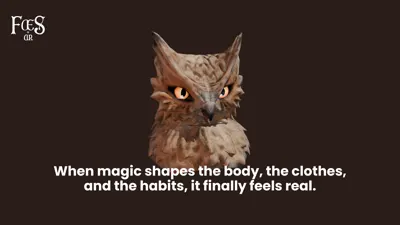
How do I build a magic system that influences character aesthetics?
If magic exists in a world, it should leave marks. Not just on the plot, but on people. A magic system that does not influence how characters look, move, or…
How do I design factions with recognizable visual identities?
Designing factions with recognizable visual identities is mostly about restraint. The biggest mistake people make is trying to make everything stand out at…
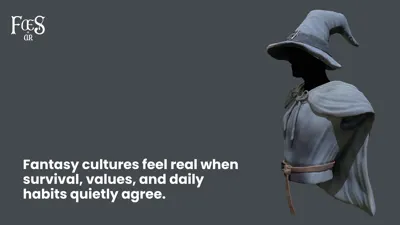
How do I create a distinctive fantasy culture?
Creating a distinctive fantasy culture is less about inventing something wildly original and more about making choices that feel intentional and lived-in. Most…

What Makes a Fantasy Character Visually Iconic?
Most fantasy characters are easy enough to imagine, but only a few become instantly recognizable - the ones you can identify from a silhouette, a color…

How Do I Portray Non-Human Characters Without It Looking Cringe?
Playing a non-human character is one of the most freeing parts of fantasy roleplay - but it’s also one of the easiest places to overdo it. The moment you start…
How Do I Decide What My Character Actually Looks Like?
For many players, visualizing a character is one of the most enjoyable parts of creating them - but also one of the trickiest. You know the personality, the…

What Are Good Fantasy Costume Inspirations for My Character?
When you’re shaping a fantasy character, the costume isn’t just decoration - it’s shorthand for their history, worldview, and place in the story. Even a simple…
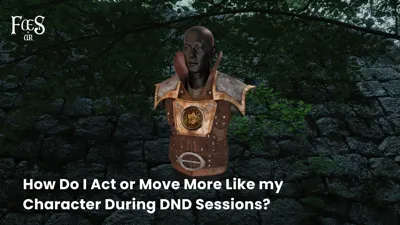
How Do I Act or Move More Like My Character During Sessions?
Even when you know your character well - their history, personality, goals - translating that into believable physical behavior during a session can feel…

How Do I Choose an In-Character Aesthetic That Fits My Class or Background?
Every character has a story before the campaign even begins - a history, a culture, a way of moving through the world. But when you sit down for an online…
How Do I Visually Distinguish My Character From the Rest of the Party?
In most tabletop stories, the party is a collection of wildly different personalities but on a webcam, those differences can flatten quickly. Everyone ends up…
How Do I Redesign My Character’s Appearance After Leveling Up?
Leveling up is more than a numbers bump. It’s a shift in identity. Your character has survived something, learned something, or taken a step deeper into the…
How Do I Portray My Character More Convincingly in Online Sessions?
Online roleplay demands a different kind of presence. Around a physical table, your posture, gestures, and small expressions fill in the gaps. On camera, all…
How Do I Portray My Character More Convincingly in Online Sessions?
Online roleplay demands a different kind of presence. Around a physical table, your posture, gestures, and small expressions fill in the gaps. On camera, all…
How Do I Make My Character Feel More Real During Roleplay?
There’s a familiar pause before slipping into character, it could be a breath, shift in posture, or the small mental handoff between everyday life and the…
Integrating Faes AR with Discord, OBS, and Virtual Tabletops
Online TTRPGs have come a long way. Discord handles your voice chat, OBS handles your stream, your VTT handles your maps and dice-but your face has always…

AR Tools That Improve Immersion in Online D&D and TTRPG Sessions
Online D&D has evolved dramatically in the last decade. Maps are richer, soundscapes deeper, and VTTs more powerful than ever. Yet one part of the experience…
Ultimate Guide to Immersive Online D&D Sessions
Online D&D has evolved fast. What started as a workaround during lockdowns is now its own thriving format. Virtual tabletops are beautiful. Audio tools are…
The Psychology of Costumes: Why Players Feel Braver in Gear
When a player dons armor, antlers, or a cloak, even digital ones, their demeanor changes. They sit up straighter. They make bolder decisions. Something subtle…

Why Roleplay Feels Different When You Can See Your Character
There’s a moment in every tabletop session - the pause before the dialogue begins, the quick glance at the webcam, the shift from “you” to “your character.”…
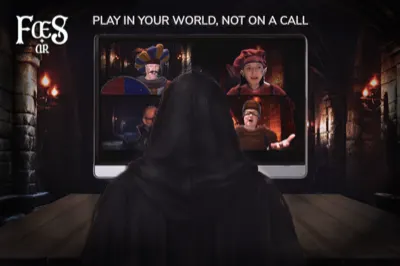
Faes AR Presale: A major shift after receiving community feedback
When we set out to bring our amazing app to the community, we made some blunders. Assuming a freemium model would give everyone what they wanted, we went…
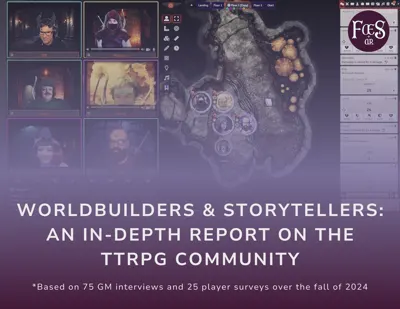
TTRPG Game Master Play-Style Report
After our Kickstarter campaign for "The Level One Collection" didn't resonate with our community, we knew we needed a different approach. Instead of guessing…
Faes AR updates: Alpha Launch, Community Feedback & What’s Next
What a year it has been for Faes AR. As we reflect on the past 12 months, we are filled with gratitude for the candor and feedback of our community and the…